
Understanding Alpha-1
Here's what you'll learn on this page:
Alpha-1 protein is essential for helping to protect your lungs
It keeps another protein, neutrophil elastase (also called NE), under control. When left unchecked, NE can harm lung tissue
Below-normal alpha-1 protein levels may lead to accelerated damage over time
Variants in the SERPINA1 gene impact Alpha-1 risk by affecting how much alpha-1 protein your body has and how well it works
Alpha-1 is an inherited condition, meaning you are born with it
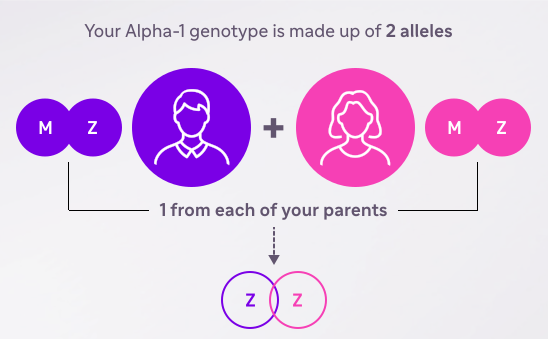
The SERPINA1 (pronounced as ser-pin-uh 1) gene tells your body how to make alpha-1 protein.
People can have different versions of the SERPINA1 gene, with MM (people who don't have Alpha-1) being the most common. These letters refer to someone's genetic variant, or genotype.
Your genotype determines how much alpha-1 protein you have. For example, if you have a non-MM genotype, you may have less alpha-1 protein compared to someone with an MM genotype.
What is alpha-1 protein?
Alpha-1 protein is a protein made in your liver that travels through your bloodstream to help protect your lungs.
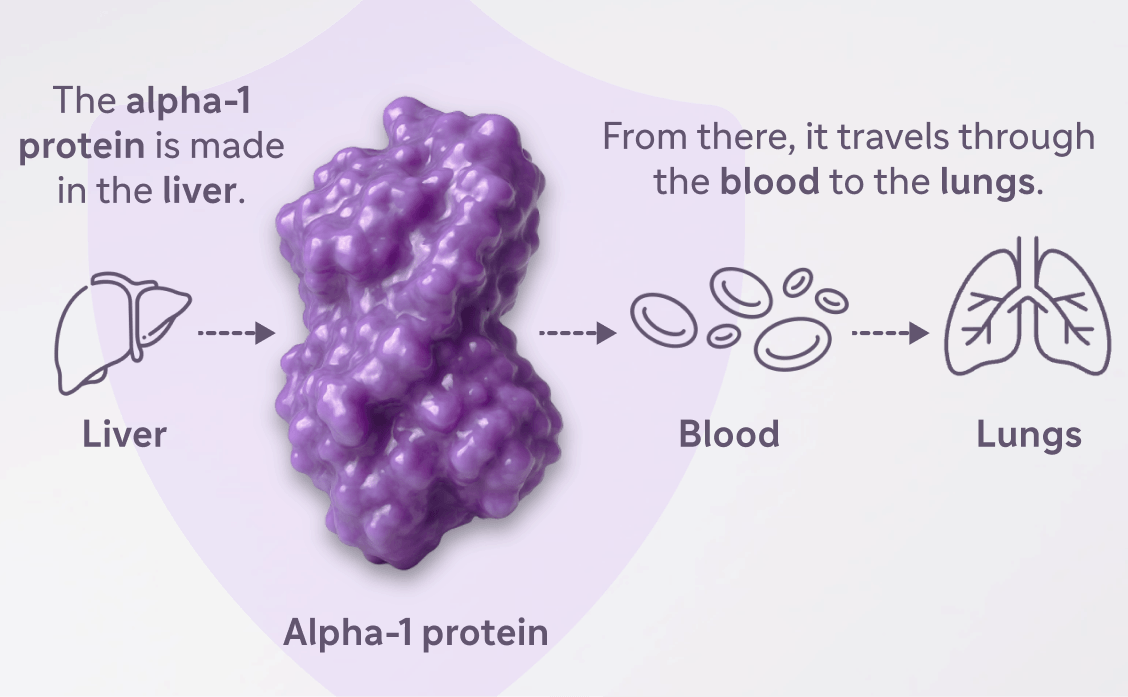
How does alpha-1 protein work?
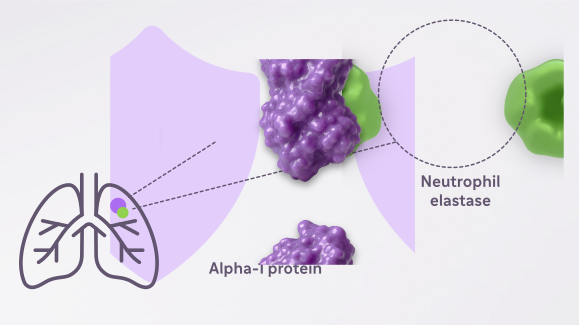
Alpha-1 protein acts like a shield for your lungs
It helps protect lung tissue from damage caused by neutrophil elastase (NE). While NE can help your body fight infections, it can also damage healthy lung tissue if it becomes too active.
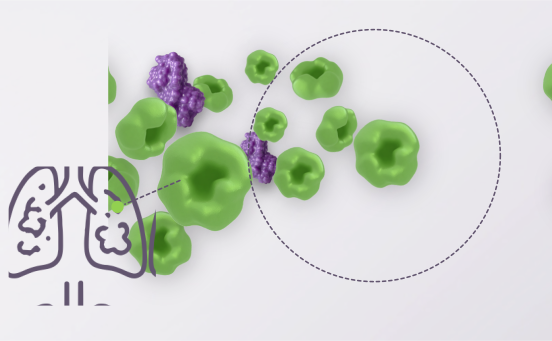
Alpha-1 protein helps protect your lungs from potential damage
Without enough of the alpha-1 protein shield, NE's activity can damage the lungs over time.
*Patient Education Program