
Alpha-1 Protein Levels Explained
Here's what you'll learn on this page:
Your genotype is the starting point to understand your potential Alpha-1 risk because it determines how much alpha-1 protein your body makes
Knowing your alpha-1 protein levels helps you understand your level of lung protection from inflammation and environmental exposure
Most non-Alphas (those with MM genotype) have AAT levels above 20 μM
Below-normal may mean greater risk to lung damage over time
Are Your Alpha-1 Protein Levels Leaving You Exposed?
The lower your alpha-1 protein levels, the higher your risk.
Your genotype and alpha-1 protein levels together determine your potential risk of lung damage. Alpha-1 protein plays a key role in helping to protect your lung tissue from inflammation and environmental exposures. Your genotype controls how much alpha-1 protein your body produces. When your levels are below-normal, that protection weakens, which means your lungs may be more at risk over time.
NORMAL levels: 20-53 micromoles per liter (μM)
BELOW-NORMAL levels: below 20 μM
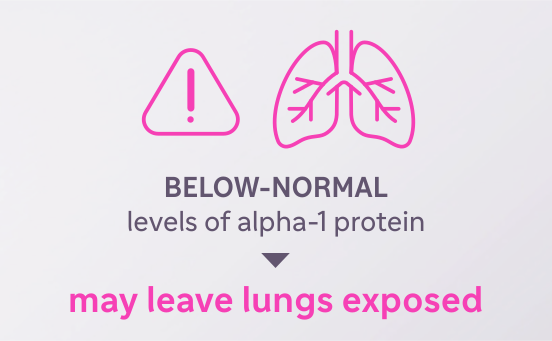
Living with below-normal alpha-1 protein levels means lung changes can happen gradually. These changes may not feel noticeable day-to-day. This is why awareness and monitoring are so important.
The good news? Knowing your levels and staying informed gives you more control. Tracking changes in your breathing, energy, and overall health can help you catch problems early and work with your doctor on the best plan for you.
Ready to learn more about what this means for your lungs?

Why do some people have below-normal alpha-1 protein levels?
