How Do Genetics Play a Role in Alpha-1 Protein Levels?
Here's what you'll learn on this page:
Your genotype determines how much alpha-1 protein your body makes—common alleles range from M (normal) to Z and Null (undetectable amount), with ZZ producing severely deficient levels
What is a normal alpha-1 antitrypsin level? Normal alpha-1 protein levels are 20 μM or higher
Lower levels may mean higher risk, and lung damage can begin before symptoms appear
Protection varies on a spectrum based on your individual protein levels, environmental exposures, and lung health history
Alpha-1 affects people differently, and your genotype determines how much alpha-1 protein your body produces, and how much protection your lungs have.
What does your genotype mean for you?
Your Alpha-1 genotype is made up of 2 alleles—1 inherited from each parent. Some of the different alleles include:
M
Makes normal amount of working alpha-1 protein
S
Makes some alpha-1 protein, but less than normal
Z
Makes very little working alpha-1 protein
Null
Makes no working alpha-1 protein
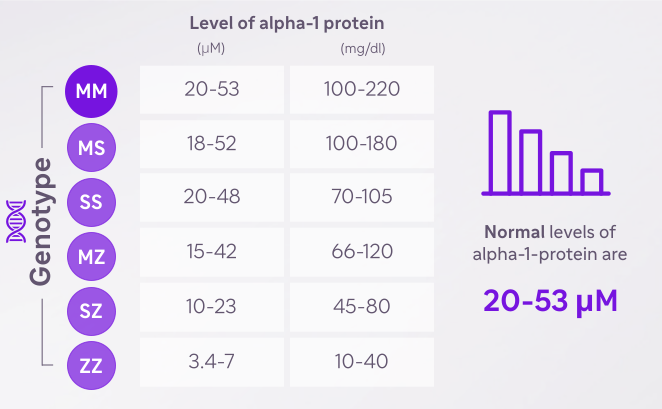
Typical alpha-1 protein level ranges by genotype
Normal alpha-1 protein levels are 20-53 μM. In addition to lifestyle and environmental factors, lower alpha-1 protein levels can lead to greater risks.
Understanding your level of protection
Your level of protection depends on more than just your genotype—it can also vary from person to person.

While your risk varies along a spectrum, if your genotype is ZZ, your body produces very low alpha-1 protein levels. This means you have severely deficient alpha-1 protein levels.
Why do your alpha-1 protein levels matter?
Alpha-1 protein levels and the protection they provide can differ from person-to-person, even those with the same genotype, based on different lifestyle factors.
You may feel fine today, but your alpha-1 protein levels could still be lower than what your lungs need to stay protected. When levels fall below normal, your lungs may be exposed to ongoing damage, even before symptoms appear.