
What Does Alpha-1 Mean for Your Lungs?
Here's what you'll learn on this page:
Below normal alpha-1 protein levels may lead to increased risk of chronic lung conditions (COPD, emphysema, bronchitis) when combined with lifestyle and environmental factors
People with Alpha-1 associated COPD are more likely to experience exacerbations, sometimes called "flare-ups"
Understanding your protein levels helps you have informed conversations with your care team and take steps to manage your long-term health
Symptoms can look different for everyone, which is why understanding your personal exposure to Alpha-1 risk is important
Below-normal alpha-1 protein levels may affect how well your lungs can protect themselves from potential damage caused by overactive neutrophil elastase over time. Respiratory symptoms of Alpha-1 can vary widely—from how they first appear to how severe they become and how quickly they progress.
Here's what to watch for:
Breathing
- Are you experiencing new or worsening shortness of breath (especially with activity)?
- Are you experiencing chest tightness or pain?
- Are you experiencing wheezing?
- Are you experiencing increased coughing or changes in your cough?
- Are you experiencing changes in mucus (amount, color, or thickness)?
- Are you experiencing shortness of breath, especially when exercising or being active?
Exacerbations (Flare-ups)
- Are they happening more often than before?
- Are they getting worse or harder to recover from?
Does Alpha-1 resemble other respiratory conditions?
The lower your alpha-1 protein levels, the higher your potential risk of lung disease
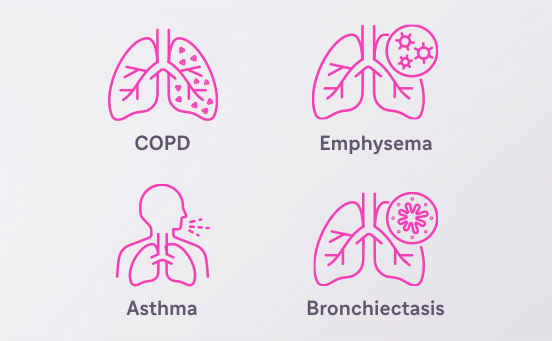
People living with less of the alpha-1 protein can present symptoms that mirror these conditions:
- COPD (chronic obstructive pulmonary disease)
- Emphysema
- Chronic bronchitis
- Bronchiectasis asthma-like symptoms
Did you know?
A study looked at 118 people living with Alpha-1 who were aged 18 years or older with severely deficient protein levels. Most of these people were ex-smokers or current smokers. The study found that up to 72% of deaths in these Alpha-1 patients were caused by emphysema.
Because alpha-1 protein plays a role in regulating inflammation throughout your body, its effects can extend beyond your lungs.
Understanding exacerbations
How often do exacerbations happen?
People with Alpha-1 may experience approximately 5 exacerbations per year—that's about twice as many as people with COPD who don't have Alpha-1.
Study design:
- Exacerbations happen when breathing problems suddenly become worse. They often require extra treatment or a hospital stay
- A review compared 2 different studies. One study looked at exacerbations in people with Alpha-1–related COPD. The other study looked at people with COPD alone. The study showed that exacerbations happen more often and last longer in people who have Alpha-1–related COPD compared with those who have COPD alone
- One of the studies included 19 patients with Alpha-1 who had a Z allele in their genotype (ie, MZ, SZ, ZZ). The average age of these patients was 52 years. Everyone in the study recorded how often they had exacerbations in a journal over the course of 2 years. The frequency of these exacerbations were compared to 132 patients from another study who had moderate-to-severe COPD. These patients recorded how often they had exacerbations over the course of 1 year
- Comparing these studies showed that people with Alpha-1–related COPD had double the amount of exacerbations compared to those with COPD alone. Specifically, they found:
- Alpha-1: 5 per year
- COPD: 2.5 per year
- Alpha-1: 5 per year
How long do exacerbations last?
Exacerbations in people with Alpha-1 typically last about 14 days (ranging from 7–21 days)—about twice as long as typical COPD exacerbations.
Study design:
-
In another study, 265 people with severe deficiency of alpha-1 were studied over 1 year to see how often they were having exacerbations and how long the episodes were lasting. These patients had an average age of 50 years. 187 of them were ex-smokers, 61 were never-smokers, and 17 were current smokers. The results of this study were compared to another one that included 101 people with moderate-to-severe COPD who were followed over 2.5 years and had an average age of ~67 years. Comparing these studies showed that people with Alpha-1 had exacerbations that lasted twice as long as those with COPD alone. Specifically, the study found that:
-
Exacerbations with Alpha-1 typically last ~14 days (ranging from 7-21 days), which is twice as long as COPD exacerbation
-
Talk to your doctor
about how your alpha-1 protein levels may be affecting your exacerbation risk and overall health.

How does lung function decline?
Your doctor may use a breathing test called FEV₁ (forced expiratory volume in one second) to measure how well your lungs are working. This test measures the maximum amount of air you can forcibly exhale in one second.
Below-normal alpha-1 protein levels may increase the risk of losing lung function—even if you're not experiencing noticeable symptoms. And because Alpha-1 may affect other parts of your body, it's important to understand your full health picture.

Permanent lung damage may occur and can get worse over time.
How can Alpha-1 impact your daily life?
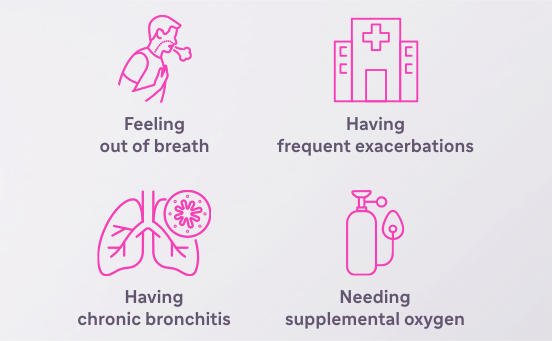
Living with below-normal alpha-1 protein levels can make daily tasks and physical activities more challenging. In a study of nearly 4700 people living with Alpha-1 and lung disease, most of whom had severely deficient genotypes, reported that doing daily tasks was most strongly affected by:
- Feeling out of breath
- Having frequent exacerbations
- Having chronic bronchitis
- Needing supplemental oxygen
Alpha-1 can affect more than your lungs
Alpha-1 can affect multiple parts of your body. While lung disease is the most common concern, below-normal alpha-1 protein levels can also impact other parts of your body, including:

Liver
In some people with Alpha-1, the alpha‑1 protein builds up in the liver because it isn’t shaped the right way. This keeps the protein from being released into the bloodstream, leaving it trapped in the liver and possibly leading to liver disease.

Other parts of the body
For example, panniculitis is a rare skin manifestation of alpha-1 deficiency. It occurs in patients with more severe protein deficiency. Panniculitis probably occurs in fewer than 1 out of every 1000 individuals with more severe alpha-1 deficiency and those with the ZZ, MZ, SS, and MS genotypes.
Understanding your risk can support better long-term outcomes


